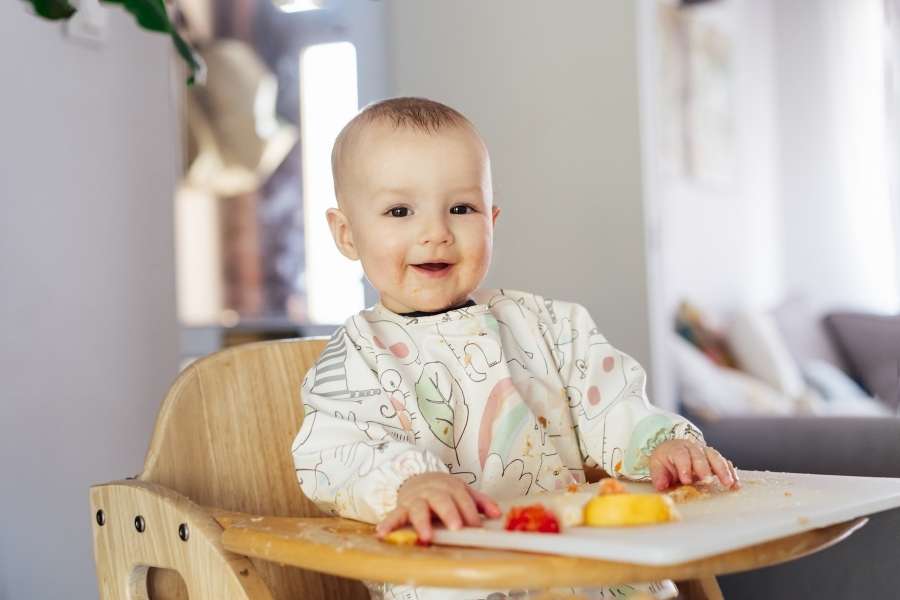
Watching your baby grow is a wonderful journey for every parent. Reaching the milestone of a first real meal is very exciting. It feels like they were a newborn just yesterday. Now you wonder if it is time for a bowl. Knowing when to start solid foods is about observing unique physical development. It is also about their curiosity regarding the world.
The transition to solid foods is a major life shift. Your baby moves from a liquid diet to new textures. Most experts recommend waiting until around six months of age. However, every child follows their own internal developmental clock. This process balances nutritional needs with motor skills.
Mastering the Art of Sitting Up and Staying Steady
Core strength is vital for a baby to start solid foods safely. They must sit upright with very little support. This helps them swallow effectively and prevents choking. A sturdy posture is essential for a safe backyard grilling experience… wait, for safe eating! Use these best educational toys to help encourage their physical development.
If your little one slumps over, they may not be ready. Their digestive system needs a stable torso to function. A high chair provides the necessary structure for these early meals.
Seeing your baby sit tall is a great green light. It signals that their body is structurally prepared for intake. This milestone is the foundation for all future feeding skills.
The Vanishing Act of the Tongue-Thrust Reflex
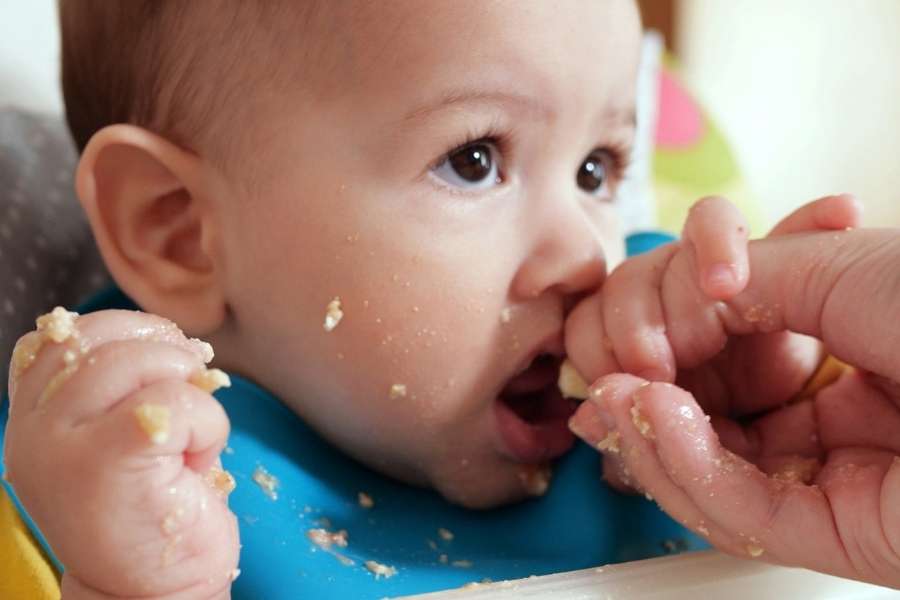
Young infants automatically push objects out of their mouths. This is the tongue-thrust reflex, a natural defense mechanism. To start solid foods, this reflex must first diminish. Following essential baby skincare tips can keep their face clean during this messy stage.
If food comes right back out, they need time. The brain and mouth must coordinate for swallowing purée. This is a key part of food readiness.
| Reflex Stage | Description | Feeding Impact |
| Active Reflex | Pushes tongue forward | Hard to swallow solids |
| Diminishing | Tongue stays flatter | Can take small bites |
| Integrated | Intentional swallowing | Ready for varied textures |
Intense Curiosity and The “Gimme That” Look
Your baby’s brain is like a sponge. Suddenly, your dinner plate is very interesting. They might lean forward during your family meals. Tracking your fork shows they are ready for weaning.
This interest helps them overcome hesitation about new flavors. It shows they are mentally ready for baby feeding. Curiosity is a huge driver for learning.
You might see them mimicking your chewing motions. They may make smacking sounds with their lips. This is a classic sign of developmental milestones in action.
Improved Coordination and the Reach for the Spoon
Eating involves many moving parts and precise timing. Babies must see food and pick it up. They then bring it to their mouth. This is known as hand-eye-mouth coordination.
If they grab toys accurately, they are practicing. They will soon handle a baby spoon with ease. This skill is vital for independent eating.
| Skill Level | Hand-Eye Action | Food Type |
| Beginner | Swipes with palm | Smooth purée |
| Intermediate | Grasps with fingers | Thicker mashed foods |
| Advanced | Pincer grasp | Soft finger food |
Increased Hunger and Frequent Feedings
Sometimes the signs are about their appetite. 🍼 Your baby might seem hungry more often. This may happen even after a full milk feeding. They might need more caloric density for growth.
While this can be a growth spurt, observe patterns. If hunger persists, consider starting solid foods. Check for other food readiness signs simultaneously.
A hungry baby is looking for sustainable fuel. This powers their rapid physical and mental growth. It is a sign their metabolism is changing.
Growing Weight and Size Requirements
Many doctors look for a specific weight benchmark. Most babies should double their birth weight first. This usually happens around four to six months.
Reaching this size indicates that internal organs have matured. The digestive tract can now handle baby feeding complexity. It is a biological tipping point for infants.
Weight is a proxy for internal development. A sturdy infant body is ready to process nutrients. This provides the energy needed for learning.
Frequently Asked Questions about Start Solid Foods
What are the best first foods to introduce?
Start with single-ingredient purée like avocado or sweet potato. These are gentle on the stomach and very nutritious. They provide essential iron for healthy brain development.
Can I start solids at 4 months?
Most health organizations recommend waiting until 6 months. Starting too early can cause digestive upset or allergies. Always consult your pediatrician before you start solid foods.
How do I know if my baby is full?
Babies are excellent at self-regulating their own intake. They will turn their head or push the spoon. Respecting these cues helps develop healthy eating habits.