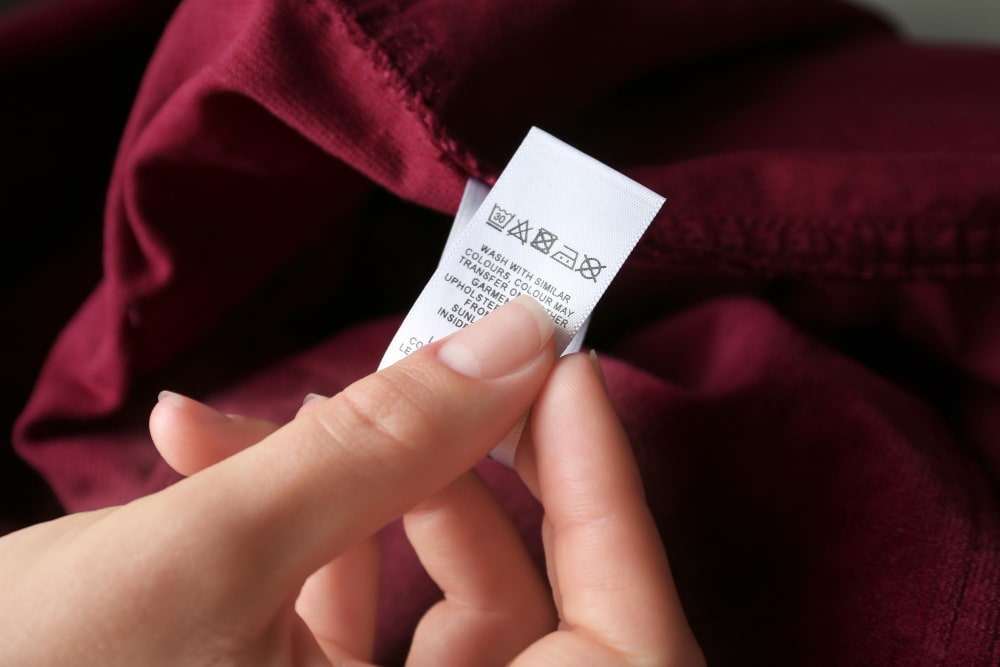
Ever flip over a shirt just to check the label? Most people do it automatically. That little piece of fabric holds way more power than you’d expect. Fashion brands are finally catching on that labels aren’t just boring requirements – they’re secret weapons for justifying higher prices.
The whole clothing labels scene is exploding because smart entrepreneurs figured something out. Every interaction with your customer counts. What started as basic “Made in China” tags has become storytelling gold that happens right in someone’s hands.
Hit up any expensive boutique and notice something wild. The stuff with crazy price tags? Always has the most thoughtful labels. No coincidence there – it’s psychology at work.
The Big Three That Actually Matter
Let’s break down what’s actually moving products off shelves these days.
Woven labels are like the luxury cars of clothing labels. Tiny looms weave threads together creating texture you can feel. When customers touch that substantial fabric, their brain goes “this costs more because it IS more.” Brands charging premium money almost always choose woven because the feel sells itself.
Printed fabric labels handle the boring stuff efficiently. Care instructions, fabric content, size info – all the legal requirements without destroying your budget. Today’s printing tech lets you go nuts with colors and tiny details while keeping costs sane on big orders.
Hangtags aren’t just price tags anymore. Think mini-billboards that tell your whole brand story. Customers love sharing unboxing moments on Instagram, and killer hangtags become part of their content.
Choosing between these depends on your price point and who’s buying. High-end brands usually mix all three to create that “wow, this brand gets it” feeling.
Why Your Label Can Seal the Deal Before They Try It On
People make buying decisions crazy fast. Your label has maybe three seconds to communicate quality before they move on to the next rack.
Here’s what happens: someone picks up your piece, fingers hit the label first. If it feels flimsy, game over. If it feels solid and looks sharp, they’re already thinking “this might be worth it.”
Instagram changed everything too. Customers photograph their hauls constantly. Good-looking labels become free advertising when people share their finds.
Brand name labels work 24/7 as tiny marketers. Every time someone does laundry or gets dressed, there’s your brand again. It’s like having a sales team that never sleeps and never asks for raises.
Some brands get creative with their label messaging now. Company origin stories, sustainability promises, even washing philosophy – stuff that makes customers feel connected beyond just owning clothes.
Materials That Actually Change How Things Feel
Cotton labels work magic for brands going natural or eco-friendly. Perfect for baby clothes or anything touching sensitive skin because cotton feels organic and breathable.
Polyester wins the durability contest hands down. Colors stay vibrant after tons of washing, label stays crisp when cotton starts looking tired. Recycled polyester versions let you hit green goals without sacrificing toughness.
Satin brings instant luxury vibes through pure touch appeal. Custom care labels in satin feel smooth and expensive while showing washing instructions clearly. Zero itch factor that ruins wearing experience.
Textile labels from bamboo or hemp are trending hard with eco-conscious shoppers. Cost more upfront but customers paying for sustainability don’t blink at premium prices.
Tech Upgrades Worth Caring About
RFID isn’t just for spy movies anymore. Helps track inventory, fights fake products, lets customers verify authenticity with their phone. Pretty slick stuff.
QR codes link to styling videos or exclusive content. Your label becomes a gateway to ongoing brand engagement instead of static info.
Color-changing inks help customers avoid laundry disasters. Label literally shows correct water temperature – genius way to prevent returns from washing accidents.
Woven labels with metallic threads or special fibers create memorable touches. Extra cost usually pays off through higher perceived value and pricing flexibility.
Nailing Your Setup Without Going Crazy
Main brand label gets the best spot – back neck or side seam where customers notice immediately. Everything else supports that star player.
Care and sizing info should be findable but not competing with your brand message. Winners create clear hierarchy: brand first, functional details second.
Color matching across your whole system prevents amateur-hour scattered looks. Printed fabric labels should complement main labels instead of fighting them. Consistency builds trust faster than individual flashiness.
Test attachment and removal before ordering thousands. Labels that irritate skin or fall off create negative vibes that wreck everything else you built.
Money Stuff That Impacts Your Bank Account
Premium labeling typically costs under 2% of production but can justify 10-20% higher selling prices through better perceived value. Hard to find better ROI anywhere in fashion.
Better labels cut returns because clear instructions prevent customer screw-ups and product damage. Fewer returns equals better margins plus happier customers.
Hangtags built for social sharing extend marketing reach organically. Customers posting photos with attractive labeling gives you advertising that would cost serious money otherwise.
Customer loyalty improves when labeling reinforces quality feelings long-term. Garment labels that stay put and look good through multiple washes keep validating purchase decisions months later.
Working With Manufacturers Without Getting Screwed
Right manufacturer means checking both equipment quality and consistency processes. Top players invest in advanced printing and weaving gear that delivers reliable results at volume.
Quality control matters more as orders grow. Tiny flaws that don’t matter on samples become nightmares when producing thousands. Set standards early and enforce them.
Lead time planning prevents expensive rush jobs that compromise quality or explode budgets. Custom leather labels for clothing need extra time for specialized work. Plan accordingly.
Communication clarity prevents costly mix-ups. Document approval processes and quality standards before issues arise.
Measuring What Actually Moves Your Business
Track baseline metrics before changing anything. Customer satisfaction, return rates, average prices show whether labeling investment pays off.
Watch social media mentions and customer photos featuring your labels. When people eagerly share products with your labeling visible, you’re winning brand building.
Plastic seal tags and hardware get evaluated through real customer feedback. Seals that frustrate or fail hurt more than help.
Test different approaches with similar products to learn what works with your specific crowd. Some labels crush it with certain customer types or product categories.
Smart brands treat labeling as core customer experience, not boring compliance. This mindset turns expenses into brand investments that multiply through stronger relationships and pricing power.