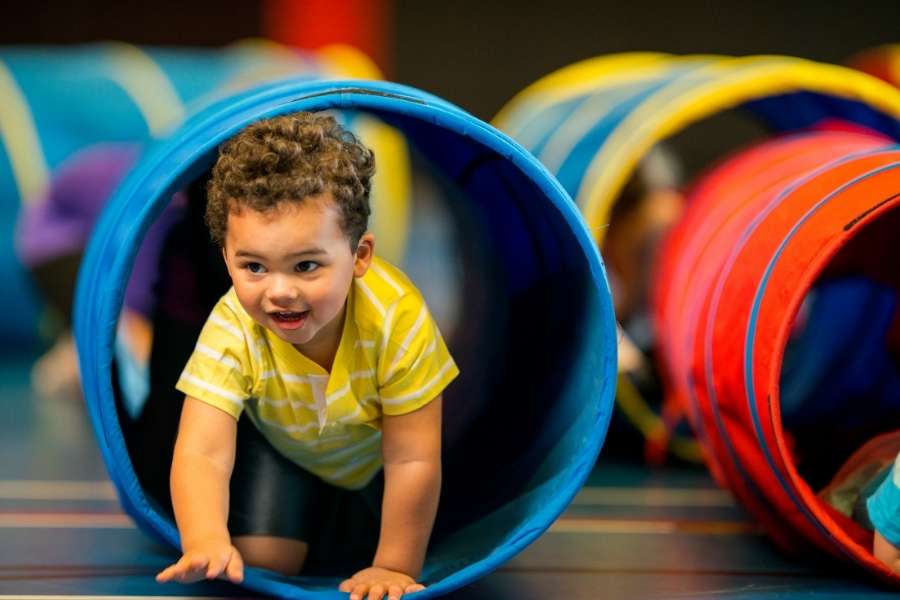
Picture this familiar scene in your living room. Your toddler freezes behind a chair with wide, focused eyes. You know that look. Another messy diaper needs changing right away. Figuring out the right timing for potent training can completely change your daily family life. Start too soon, and you face tears and daily power struggles. Wait too long, and strong habits turn into stubborn pushback. True success comes from watching natural development rather than staring at calendar pages.
Many parents wonder how to know if my toddler is ready for potty training without endless guesswork. Doctors from the American Academy of Pediatrics emphasize that brain maturity matters most. Nerves must connect internal bladder signals directly to the brain first. Pushing before that biological link exists brings frustration to everyone involved. When you respect this natural timeline, the whole process turns smooth. You guide your child with calm confidence every single day. Let us check the real physical signs together.
Understanding the True Foundations of Potty Readiness
Before buying training gear, check if your child shows genuine physical ability. True potty readiness needs physical control, mental awareness, and basic willingness. If one piece is missing, the whole plan falls apart. Many parents believe age two is an absolute hard deadline. In truth, children show these skills anywhere between eighteen and thirty-six months. Just as parents learn to spot the signs baby is ready for solids before introducing solid foods, you must observe digestive maturation here.
Watching their daily bathroom habits gives you far better answers than comparing notes with other parents. Each toddler grows on their own separate schedule. You cannot rush muscle control or bladder size through simple willpower. A calm parent creates an open space where curiosity grows naturally. Notice how your little one acts when their diaper feels heavy. Watch if they show interest when you step into the bathroom. Natural curiosity often shows up before full physical control arrives. Seeing these small signals makes your next move simple and peaceful.
The Science of Bladder Maturity and Nerve Development
The bladder must grow large enough to hold urine comfortably for hours. Tiny babies release urine automatically through simple reflexes. As nerve pathways grow, the brain notices the feeling of internal pressure. Pelvic floor muscles must also learn to tighten and relax on purpose.
Pediatric urology studies show these nerve pathways mature around two years old. Until those signals work well, leaks happen for pure biological reasons. Reliable dry spells show that internal muscles are gaining strength. A dry diaper after a two-hour nap marks a massive physical milestone. That single dry nap shows bladder control is settling into place. Take notice of those longer dry windows during regular playtime. They prove your toddler’s body is maturing just as nature intended.
7 Critical Signs of Potty Training Readiness in Toddlers
Finding the perfect start date feels like solving a tricky puzzle. Parents look everywhere for real signs of potty training readiness in toddlers before clearing their schedules. You can introduce concepts through creative play using educational toys for child development while you wait for these physical cues to emerge. You do not need to spot every clue on the same afternoon. Look instead for several changes happening together over a few weeks. When these behaviors appear side by side, you can move forward safely. Tracking these shifts keeps you from starting during an unexpected regression. Big life changes like moving house or getting a new baby disrupt normal progress. Wait for a quiet month of family life before reading these signs. Being patient right now saves you weeks of scrubbing rugs later. Here are the seven signals that show your little one is prepared.
1. Predictable Bowel Movements and Longer Dry Periods
Steady bodily routines show that digestion is settling into regular hours. Does your child stay dry for two straight hours during playtime? That gap shows expanding bladder room. Pooping around the same hour each day also shows healthy digestive control. These patterns let you plan bathroom trips without constant struggles. You can easily predict their needs throughout the entire day.
2. Discomfort With Dirty Diapers and Demands for Changes
A toddler who ignores a soaked diaper is not ready yet. Readiness shows up when damp fabric clearly annoys them. They tug at their wet pants or ask for a clean diaper instantly. Feeling wet stops being normal and starts feeling bothersome during play. This shift marks an exciting step in toddler development. The child connects bodily waste directly with physical skin comfort.
3. Hiding or Seeking Privacy During Elimination
Have you found your toddler ducking behind curtains to poop? This habit shows growing awareness and a desire for personal space. Your child feels the urge early and seeks out a quiet spot. Catching the urge beforehand is essential for starting toilet training. It turns an automatic reflex into a conscious decision.
4. Demonstrating Genuine Toddler Independence
Using the toilet demands basic movement skills and self-direction. Can your child pull down loose pants without your help? Do they enjoy putting toys away or washing their hands alone? This surging toddler independence gives them the drive to master new self-care tasks. When little kids feel capable, their inner drive shows up instantly.
5. Following Simple Two-Step Instructions
Bathroom trips require remembering a few steps in order. Your child must leave their toys, walk over, drop their pants, and sit. If your child follows requests like picking up a shoe and putting it away, skills are ready. Good listening ensures your words turn into smooth actions on the floor. Without this skill, simple bathroom steps create confusion and irritation.
6. Using Specific Words for Bodily Sensations
Clear words bridge the gap between internal feelings and quick action. Does your child say words like pee or poop before going? Clear words give you time to reach the seat without running. Gestures like pointing to the diaper count as good communication too. The main goal is sharing their internal needs with you clearly.
7. Curiosity About Adult Bathroom Routines
Curiosity drives early learning faster than any structured lesson. Does your child follow you to the door or ask to flush? Copying parents is how young minds pick up every basic habit. They want to act like big kids, parents, and older siblings. Tapping into that natural urge makes ditching diapers feel exciting.
- Staying dry for two straight hours during play
- Pulling at wet diapers or asking for changes
- Hiding behind furniture during bowel movements
- Pulling elastic pants up and down alone
- Following simple two-step verbal directions smoothly
- Saying clear words for pee and poop
- Showing interest in how adults use the bathroom
Laying the Groundwork for Smooth Bathroom Routines
Rushing into big-kid underwear without mental preparation builds instant friction. Children need time to inspect new tools before using them. Place a small seat right in the room where your toddler plays. Let them sit down with all their clothes on while looking at pictures. This simple step removes fear and makes the seat feel normal. Smart parenting tips highlight the huge value of taking things slow. Speak honestly about human bodies without shame or silly code words. Read colorful storybooks about friendly characters using their own small seats. When the toilet looks like a normal household seat, worries disappear fast. Gentle familiarity builds real confidence for the days ahead. Setting up a solid hygiene routine gives every single day safe structure. Bring your child to the sink before eating, after play, and after bathroom visits. Sing a short rhyme while making warm, bubbly soap suds together. Teaching clean hands early makes basic care feel like fun play. Habits learned through playful repetition stick with kids for life.
Proven Strategies for Successful Transition Days
Once your toddler shows true readiness, pick a clear method that suits your home. Some families like taking things slow over several quiet weeks. Other households prefer a focused weekend ditching diapers completely. Neither path is right for every single family dynamic. Sensitive children need small daily steps to adapt smoothly. Energetic children often do better with one clear change. Many caregivers search for the best potty training methods for stubborn toddlers when early attempts hit walls.
A stubborn child is usually just protecting their personal control against adult pressure. Turn the bathroom into a fight, and the child always wins. Shift away from demands and act like a calm guide instead. Offer small choices to keep cooperation high all day. Giving choices stops arguments before they even start up. Ask if they want the small floor seat or the adapter seat. Let them pick which shirt or pants to put on next. These simple options give your child healthy control over their space. When kids feel heard, they stop fighting daily steps.
Using consistent positive reinforcement works better than bribery or anger. Praise the brave try, the patience, and the act of sitting down. A broad smile, a solid high five, or a playful cheer builds genuine pride. Sugary treats often backfire by starting endless negotiations. Cheer for real effort, and clean up floor spills with a neutral voice. Taking gentle steps for starting toddler potty training prevents bad burnout for the whole family. Try a calm sit right after morning wake-up time. Add another short visit after lunch and right before bath time starts. Never hold a crying child on the seat against their will. Short sits under three minutes keep the whole experience happy.
Overcoming Inevitable Plateaus, Regressions, and Setbacks
Almost every family meets surprise roadblocks along the way. Your toddler might do great for days and then wet their pants again. A sudden setback does not mean your hard work is gone forever. Schedule changes, small colds, or starting daycare trigger temporary steps backward. Meet these rough spots with deep calm instead of annoyed words. Scolding accidents makes kids nervous, which often leads directly to stool withholding. Holding in poop hurts, creating hard stools and even worse bathroom fear. Children then clench their muscles tightly to avoid any further bathroom pain. If your toddler refuses to sit, take a break for three weeks. Pausing lets all that built-up stress disappear quietly.
Accidents give children direct feedback about how their bodies work. Feeling pee run down their legs teaches them what happens when they delay. Keep clean wipes and fresh towels ready in every main room. Mop up messes without sighs, sharp words, or demands for apologies. Keep your voice steady and remind them that pee goes in the pot. Nighttime control needs completely different biology than daytime toilet visits. The body must make enough vasopressin hormone during deep sleep to concentrate urine. The sleeping brain must also wake up when the bladder feels full. This deep nerve growth often takes years after daytime success is reached. Celebrate dry days and keep using nighttime diapers without worry.
Frequently Asked Questions
What is the ideal age to start potent training with my child?
Most toddlers develop the right physical and mental skills between eighteen and thirty-six months. Watching for long dry periods and clear communication matters far more than following an exact birth date.
How should I handle sudden regressions after initial success?
Stay calm and avoid scolding, time-outs, or visible anger. Look for new life changes like moves, illness, or preschool, and return to simple, calm routines with zero pressure.
What is the difference between daytime and nighttime dryness?
Daytime control uses conscious muscles, while nighttime dryness depends on brain hormones working during sleep. Waking up dry at night often takes several extra years to develop completely.