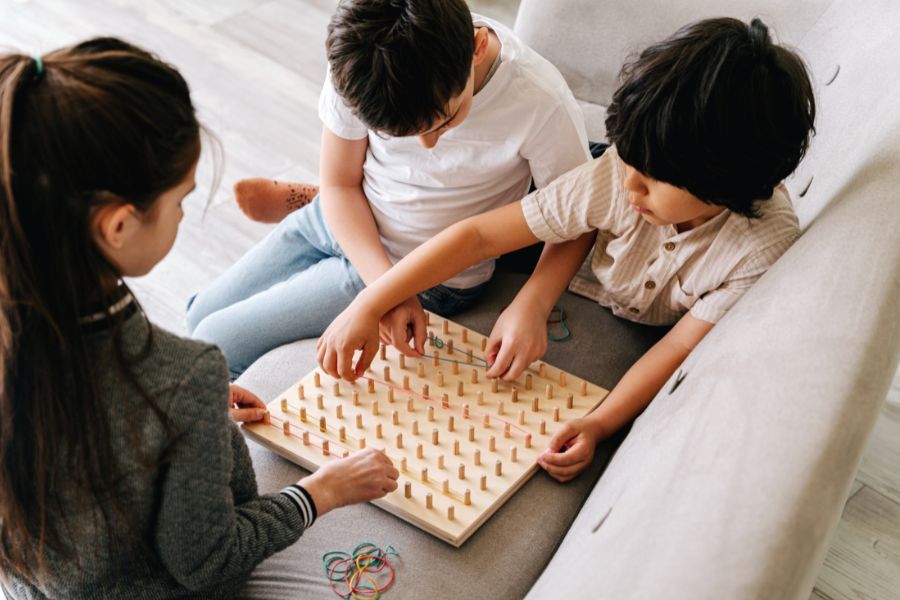
Living with fighting kids is tough. You want peace, but screaming matches make your home feel chaotic. Don’t worry, because you can help siblings stop fighting today. Managing a household filled with energetic children can often feel like navigating an endless storm of emotional outbursts, loud arguments, and constant competition over toys and personal space. Every single day brings new challenges that test your patience and your parenting skills to their absolute limits. When you find yourself constantly breaking up shouting matches, it is completely normal to feel overwhelmed and exhausted. However, transforming that daily chaos into a calm and cooperative environment is entirely possible when you implement the right strategies consistently. Understanding the underlying dynamics of childhood conflict allows you to address the root causes rather than just reacting to the noise. Children are constantly learning how to navigate social interactions, share resources, and express their big feelings constructively. By guiding them with patience, empathy, and clear boundaries, you can teach them valuable life skills that will benefit them for years to come. Building a harmonious family life does not happen overnight, but every small step you take today lays a solid foundation for better communication and deeper mutual respect among your children tomorrow.
Why Sibling Rivalry Happens Every Single Day
Every home deals with sibling rivalry. Kids want your attention. They fight over toys and space. This natural tension is completely normal. Instead of getting mad, view it differently. Kids are just testing social boundaries. They want to learn how to share their world. When you plan family events or even special gatherings, you might notice similar dynamics among guests, much like how couples plan an intimate event when they read this micro wedding guide to manage guest expectations and keep things peaceful. Understanding these behavioral patterns helps parents stay calm and objective during stressful moments.
Children often compete for parental affection because they want to secure their place within the family unit. This competitive drive is an evolutionary instinct that manifests as turf wars over toys, seating arrangements, and even the amount of time spent with mom or dad. Recognizing that this rivalry is not a personal failure on your part changes your entire perspective. You stop taking their arguments personally and start viewing yourself as a gentle coach rather than a frustrated referee. Encouraging them to share their feelings in constructive ways helps ease the tension significantly. Over time, consistent redirection and positive reinforcement teach children that they do not need to fight for your love because it is always given unconditionally. Creating an environment where every child feels uniquely valued and securely loved reduces the burning need to compete with their brothers and sisters for attention.
Decoding Triggers Behind Children Quarrels
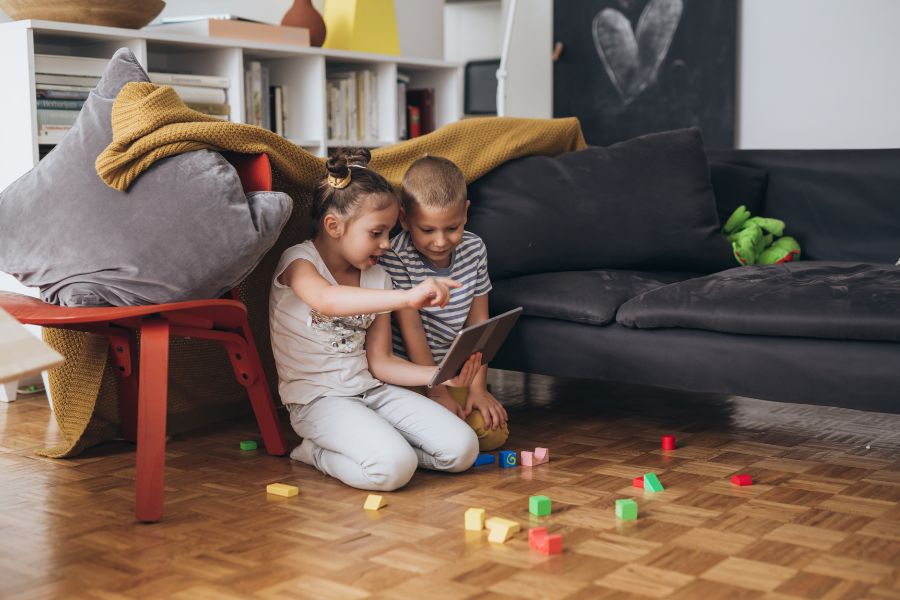
Most children quarrels start for simple reasons. Kids get tired, hungry, or bored. Knowing these triggers helps you stop fights early.
- Physical Deprivation: Hungry kids lose emotional control fast.
- Territorial Disputes: Sharing rooms causes turf wars.
- Boredom: Idle minds push buttons for fun.
Fixing these small triggers changes everything. Give kids snacks and space. Daily friction drops instantly. Recognizing the early warning signs of a meltdown allows you to intervene before a full blown argument erupts. When children become overtired, their ability to regulate emotions plummets dramatically, making even the smallest disagreement feel like a major crisis. Providing consistent daily routines, adequate sleep schedules, and nutritious snacks at predictable intervals helps stabilize their moods. Furthermore, encouraging independent play gives children the healthy space they need to decompress without stepping on each other toes. Setting up designated quiet zones in the home provides a safe retreat when tensions start to rise. By proactively managing these environmental and physiological factors, you eliminate many of the hidden catalysts that spark daily arguments. Parents who anticipate these friction points often find that their households run with remarkably fewer disruptions and much happier children overall.
Mastering Conflict Resolution Without Taking Sides
When kids scream, parents jump in like judges. This mistake makes kids resentful. Try how to stop sibling rivalry without taking sides instead. When your little ones are struggling to communicate, parents can also draw inspiration from how parents handle developmental milestones, such as when they read about potty training signs to understand their toddler readiness before forcing complex social resolutions. Asking them to solve it on their own teaches profound responsibility. Teach them calm language. This builds true emotional intelligence for life. Stepping back allows children to practice crucial negotiation skills that they will need throughout their lives. When adults constantly rescue kids from arguments, children never learn how to compromise or see another person perspective. Instead, they learn to rely on outside authority figures to fix their social problems. Empowering them to speak up, listen actively, and propose fair solutions transforms a frustrating shouting match into a powerful teaching moment. You can guide the process from a neutral standpoint by prompting them with open ended questions like what can we do to solve this together. This gentle guidance fosters mutual respect and genuine accountability. Over time, children begin to internalize these peaceful negotiation tactics, reducing the frequency of dramatic household showdowns and building stronger sibling bonds.
Practical Steps for Guided Problem Solving
Keep your presence calm. Remain neutral during every single argument.
- Pause and Cool Down: Wait until kids are calm.
- Acknowledge Perspectives: Let each child speak fully.
- Brainstorm Solutions: Ask them for fair compromises.
This turns chaos into learning. Kids start solving fights alone. Guiding children through this structured process requires immense patience and consistency from parents. When emotions run high, rational thinking shuts down entirely, which is why taking a mandatory pause is the most crucial first step. Once everyone has regained their composure, giving each child an uninterrupted turn to share their side of the story validates their feelings and diffuses defensiveness. Encouraging them to listen actively to one another builds genuine empathy rather than forced compliance. When they actively participate in brainstorming creative solutions, they take ownership of the outcome. This collaborative approach ensures that compromises feel fair to everyone involved. By repeating this routine consistently during every conflict, you wire their developing brains for cooperative problem solving. Eventually, you will notice that your children begin implementing these exact steps independently whenever a disagreement arises in the playroom or backyard.
Cultivating Family Harmony Through Positive Parenting
Peaceful homes take steady daily effort. Positive parenting builds connection and clear rules. Secure kids do not need to compete. Teach vital communication skills explicitly. Kids must learn words that build bridges. Creating a nurturing environment requires parents to model the exact behaviors they wish to see in their children. When kids watch adults handle disagreements with grace, active listening, and calm phrasing, they absorb those lessons naturally. Positive parenting emphasizes gentle redirection, clear boundaries, and emotional validation over harsh punishments or lectures. This approach strengthens the parent child bond, making children feel safe, understood, and valued. When a child feels completely secure in their relationship with you, the frantic need to dominate siblings or vie for parental validation naturally fades away. Investing time in teaching explicit communication techniques gives children the vocabulary they need to express frustration, disappointment, and joy without resorting to hitting or screaming. A harmonious home is built brick by brick through daily acts of kindness, consistent routines, and unwavering emotional support from caregivers who prioritize connection above all else.
Daily Habits That Foster Connection
Small daily habits create strong teamwork. Kids become teammates instead of fierce rivals.
- Team Challenges: Assign shared household tasks together.
- Individual Quality Time: Spend one on one time regularly.
- Appreciation Circles: Share kind thoughts during dinner.
These habits build deep goodwill. Cooperation becomes their natural habit. Integrating these intentional rituals into your family schedule transforms ordinary days into opportunities for bonding. When siblings work together to accomplish a shared goal, such as cleaning up the living room or baking a snack, they experience the tangible benefits of teamwork. Furthermore, carving out dedicated one on one time with each child reassures them that they have your undivided attention and love, minimizing the insecurities that often fuel sibling rivalry. Appreciation circles during evening meals encourage everyone to focus on the positive aspects of their day and express gratitude for one another. These small, consistent actions accumulate over time, creating an emotional reservoir of goodwill that cushions the family against inevitable future conflicts. Cooperation stops feeling like a chore and slowly evolves into the default mode of interaction within your household, making life much more peaceful for everyone involved.
Effective Ways to Handle Children Fighting in the Moment
Fights still happen despite good planning. Use effective ways to handle children fighting calmly. Apply practical advice for parenting fighting kids with steady consistency. Stay calm during every single storm. When a physical or verbal altercation breaks out, your immediate reaction sets the emotional temperature for the entire room. If you rush in yelling or showing frustration, you simply add fuel to the fire and escalate the tension. Instead, taking a deliberate slow breath and approaching the situation with a quiet, grounded presence works wonders. Children look to adults as emotional anchors during stressful moments. By modeling absolute composure, you teach them that intense emotions are manageable and do not require explosive reactions. Having a preplanned strategy for handling mid-conflict explosions prevents you from acting out of pure exhaustion or anger. Consistency is your greatest ally because children constantly test boundaries to see if rules hold steady under pressure. When they realize that aggressive behavior never grants them extra power or attention, they gradually learn more productive ways to engage with their siblings.
De-escalation Techniques That Work
Set the emotional temperature with your voice and posture.
- Lower Your Voice: Speak softly to quiet them.
- Separate Safely: Give space when emotions peak.
- Resist the Urge to Lecture: Keep your words very brief.
Calm responses teach kids that fighting fails. When you lower your voice to a gentle whisper during a chaotic shouting match, children are forced to stop yelling and quiet down just to hear what you are saying. This clever psychological shift instantly breaks the cycle of escalation. Providing temporary physical separation gives overheated minds the necessary time and space to cool down before any meaningful conversation can take place. Resisting the urge to deliver a lengthy lecture is equally important because kids tend to tune out long monologues when they are emotionally dysregulated. Keeping your interventions short, sweet, and direct ensures that your message lands effectively without causing additional friction. Over time, these reliable de-escalation habits teach children that conflicts will be handled fairly, swiftly, and calmly, reducing overall household drama and fostering a deeply secure environment where everyone feels safe to express themselves.
Encouraging Peaceful Communication Tips for Siblings
Words hold true power at home. Use peaceful communication tips for siblings daily. Simple phrase shifts stop fights. Teach “I” statements to stop blame. Kids stop sounding so defensive. Teaching children how to express their thoughts respectfully changes the entire atmosphere of a household. When kids learn to say things like I feel frustrated instead of you always ruin everything, doors open for genuine understanding instead of immediate defensive arguments. Words can either build sturdy bridges between siblings or erect massive walls of resentment. Equipping your children with constructive phrasing is one of the most valuable gifts you can ever give them. It takes patience to guide them through these linguistic shifts, but the long term payoff is entirely worth the effort. As they practice using respectful language during calm moments, it becomes second nature during moments of disagreement. This linguistic empowerment ensures that conflicts remain focused on specific issues rather than turning into personal attacks, paving the way for lasting sibling friendship and mutual respect.
Coaching Kids in Constructive Dialogue
Role play calm chats during peaceful times.
- Practice Active Listening: Repeat words before replying.
- Ban Name-Calling: Keep family words respectful.
- Teach Polite Asking: Always ask before borrowing items.
Kids gain confidence through these tools. Role playing scenarios during relaxed afternoon hours helps children rehearse positive communication skills before high stress situations occur. When kids practice active listening by summarizing what their sibling just said before offering their own perspective, they learn to feel truly heard and validated. Establishing a strict family rule against name calling protects emotional safety within the home, ensuring that hurtful insults are never acceptable tools for winning an argument. Teaching children to ask politely before borrowing games, clothes, or toys prevents countless territorial disputes before they even have a chance to start. Children gain immense self confidence when they realize they have the verbal tools required to solve their own social dilemmas without needing adult intervention. These small, deliberate coaching sessions build resilient communication habits that will serve your children exceptionally well throughout school, friendships, and their adult lives.
Frequently Asked Questions
How can I stop stepping in every time my kids start arguing?
Step back for minor fights and let them negotiate. Trust them to work things out safely. When you give children the space to practice independent conflict resolution, you empower them to build vital negotiation skills that prevent future arguments and foster deep mutual trust.
Is it normal for siblings to fight every single day?
Yes, minor daily fights are normal as children test boundaries and build social skills. Seek professional guidance if severe emotional distress, bullying, or physical abuse occurs within the household.
How do I handle one child who instigates fights constantly?
Look beneath the surface behavior to identify what unmet need or desire for attention is driving the instigation. Spend dedicated positive time with that child to fill their emotional cup, and establish clear boundaries.
Should I force my children to apologize to each other?
Forced apologies often breed fake remorse rather than genuine understanding. Instead, guide them to make amends calmly later through helpful actions once everyone has completely cooled down.
Building a Lasting Foundation for a Peaceful Home
Creating a peaceful home takes time and patience. Guide your kids through conflicts with love every day. Transforming daily chaos into an atmosphere of cooperation is a rewarding journey that requires dedication, consistency, and a tremendous amount of grace. Change will not happen overnight, but every single time you guide your children through a difficult disagreement with patience and empathy, you lay another strong brick toward lasting harmony.
By implementing these strategies consistently, you empower your children with lifelong skills in empathy, negotiation, and unconditional love. They will carry these valuable lessons far beyond your front door into their future relationships and communities. Celebrate the small victories along the way, whether it is a quiet afternoon without shouting or two siblings sharing a toy without prompting. Your persistent efforts are shaping compassionate, cooperative human beings who will cherish their sibling bond for the rest of their lives. What is your favorite tip to keep home peace?